Left Continue shopping
Your Order

You have no items in your cart

You might also like
From $2999
Show options
From $499
Show options

Calendula Growing Guide

What is Calendula?

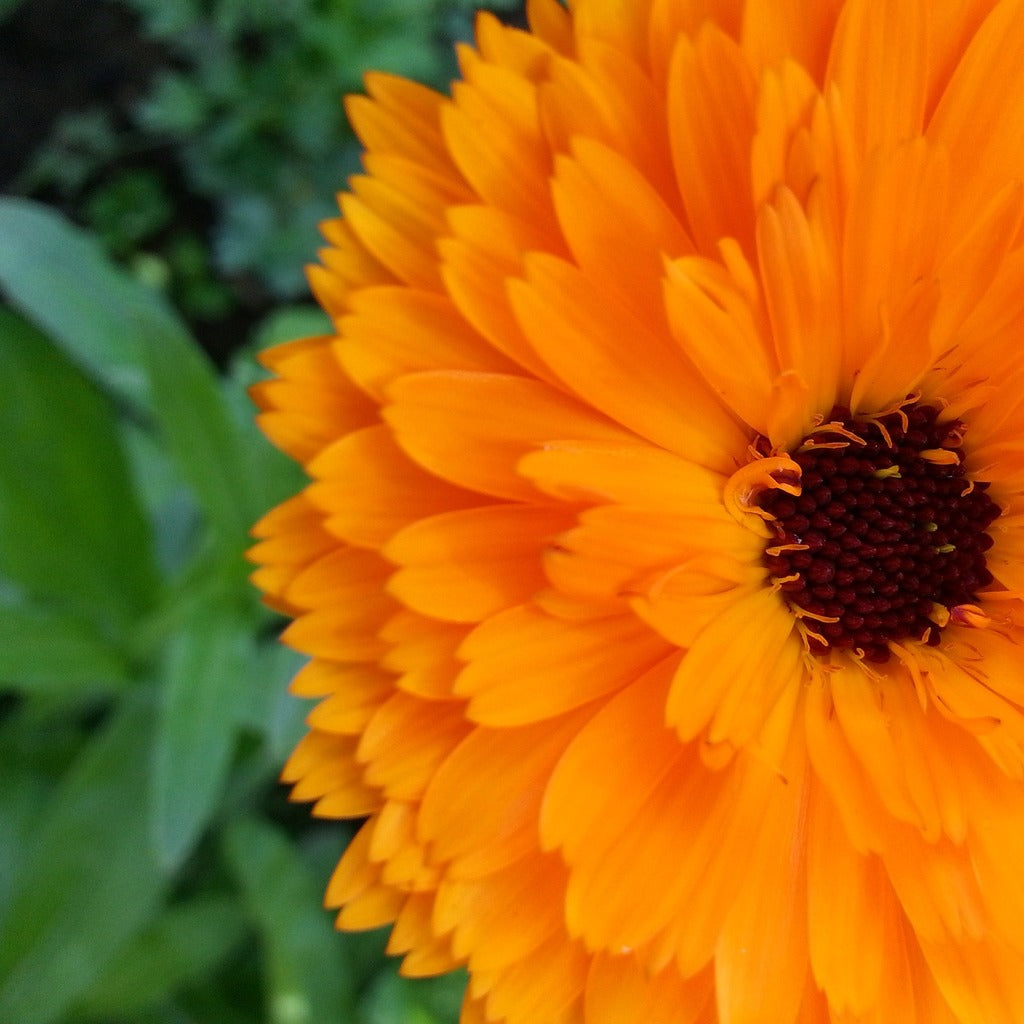
Commonly known as pot marigold, calendula is different from the common marigold, and instead more closely related to daisies and chrysanthemums. It grows relatively quickly, flowering six to eight weeks from seeding at 1-2 feet tall and wide. They are most commonly orange, but can also be red, yellow, pink, or cream.

How to Start Growing Calendula

Direct sow in early spring about 3 weeks before the last frost, and continue to sow every two to three weeks until early summer for fall flowers. Calendula can also be started indoors late winter for transplanting once daytime temperatures are steadily above 50°F. Germination occurs in about 6-14 days. Do not cover very small seeds, but tightly press into the earth. Keep in light shade to full sun.

Did You Know?

Calendula is October’s birth flower.

Our Favorite Calendula to Grow

Calendula Plant Spacing

In-Ground Planting

Row Spacing - 3 to 4 feet

Plant Spacing - 8 to 10 inches

Planting Depth - 1/4 inch

Raised Bed Planting

Row Spacing - 3 to 4 feet

Plant Spacing - 8 to 10 inches

Planting Depth - 1/4 inch

Calendula Soil, Irrigation, & Fertilizer

Soil Requirements to Grow Calendula

  • Loose, well-draining soil
  • pH between 6.0 and 7.0
  • Rich in organic materials
  • Good quality compost added to the soil

Calendula Irrigation Requirements

Calendula plants need at least 1 inch of water per week. Using drip irrigation is always recommended to be sure that your plants are getting moisture directly to their root system. If you’re using conventional overhead watering techniques, try and use something like the Dramm Watering Can and water and fertilize at the base of the plant to keep moisture off the leaves.  

Raised Bed Fertilizer Schedule

Several Weeks Before Planting

Test your soil with the HOSS Soil Sample Kit.

At Time of Planting

After adjusting soil pH to 6.0 – 7.0, mix 1 1/2 cups per 10 ft. of row or ¼ cup per plant of Hoss Complete Organic Fertilizer with your soil.

2 Weeks After Planting

1 cup Hoss Micro-Boost Micronutrient Supplement with 5 gallons of water. Each plant gets 1 quart of the solution next to the plant stem. Repeat every 4 weeks.

4 Weeks After Planting and Every 4 Weeks

¼ cup Hoss Complete Organic Fertilizer per plant evenly spread around plant.

In-Ground Fertilizer Schedule

Several Weeks Before Planting

Test your soil with the HOSS Soil Sample Kit.

At Time of Planting

After adjusting soil pH to 6.0 – 7.0, mix 1 1/2 cups per 10 ft. of row or ¼ cup per plant of Hoss Complete Organic Fertilizer with your soil.

2 Weeks After Planting

1 cup Hoss Micro-Boost Micronutrient Supplement with 5 gallons of water. Each plant gets 1 quart of the solution next to the plant stem. Repeat every 4 weeks.

4 Weeks After Planting and Every 4 Weeks

¼ cup Hoss Complete Organic Fertilizer per plant evenly spread around plant.

Calendula Pest & Disease Protection

Insects

Organic Controls

Horticulture Oil
Aphids, Flea Beetle, Whiteflies, Spider Mites, Thrips

Bug Buster-O
Aphids, Flea Beetles, Whiteflies, Moths, Armyworms

Monterey BT
Caterpillars, Cabbage Loppers

Take Down Garden Spray
Aphids, Flea Beetle, Whiteflies, Moths

Diatomaceous Earth
Cutworms, Ants, Slugs

Sluggo Plus
Slugs

Treat as needed using label instructions.

Common Diseases

Organic Controls

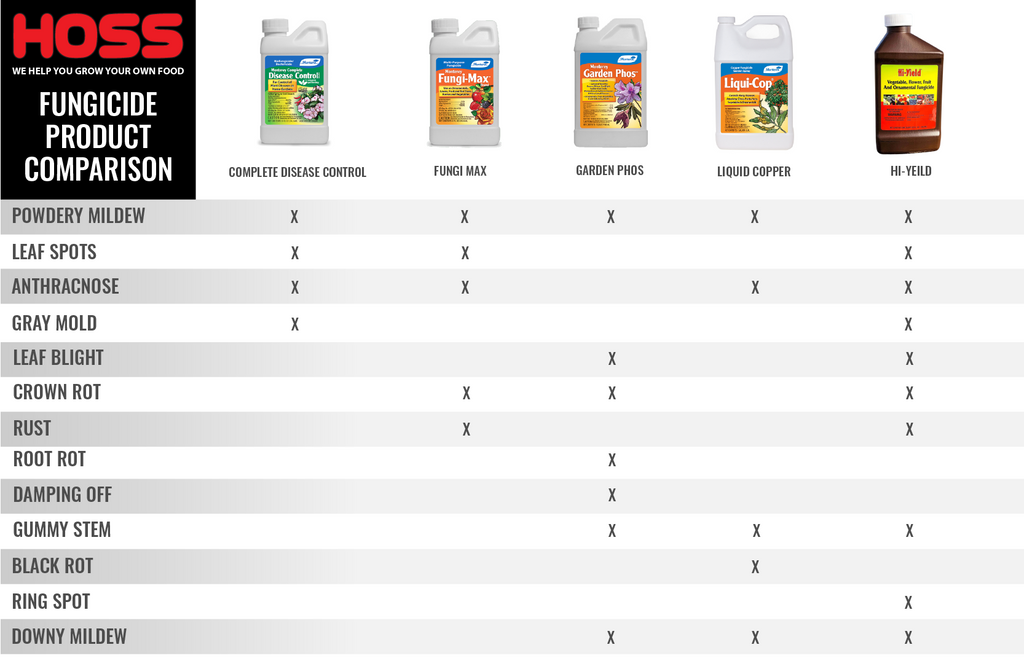
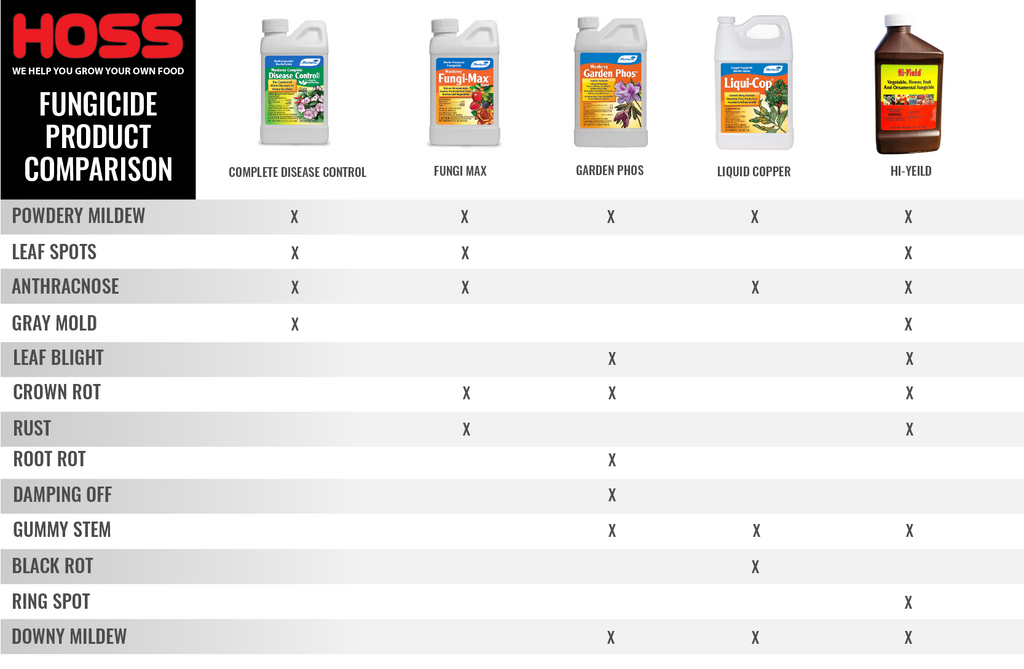
Complete Disease Control
Gray Mold, Leaf Spots, Anthracnose, Powdery Mildew

Treat as needed using label instructions.

Harvesting, Preserving, and Storing Calendula

When & How To Harvest Calendula

Harvest by deadheading often, as they will go to seed otherwise. Keep the petals dry; do not wash them. You may choose to pluck the petals to store, but it is not necessary to remove the petals from the heads. Hang stems in bundles of 5-6 stems or place heads or petals under a screen in a cool, dark, and dry place. You can also use an electric dehydrator indoors to dry the calendula. Use a temperature of 90 to 95 degrees Fahrenheit for about 24 hours. The petals will feel wispy and can fall from the heads easily once fully
dry. 

Storing & Keeping Calendula

Store dried calendula in glass jars with airtight seals or sealed plastic bags or under vacuum seal. Keep it out of the light. You can also make oil from the petals.

Come See Our Calendula!

Chamomile Growing Tips & Tricks

Best Time to Harvest

The best time of the day to harvest calendula blooms is mid-morning, when the dew has dried, but also when blooms are still fresh and daytime temperatures are still relatively low.

Temperature Sensitive

Calendula will not do well in the hot summer heat and prefers the cooler temperatures of spring and early fall. In fact, if planted in spring and depending on your location, it is possible the majority of the blooms will die off before the end of the summer. Harvest your blooms before it gets too hot, or let the last of the blooms dry out on the stem so they seed.

A Great Companion

Calendula is an excellent companion plant for a vegetable garden because it attracts pollinators such as bumblebees, as well as other beneficial insects. Also, the bright blooms are a favorite of butterflies.

Zinnia Growing Guide

Zinnia Growing Guide

Zinnias are the ultimate "cut-and-come-again" flower, making them a staple for any serious cutting garden or pollinator-focused landscape. These heat-loving annuals are remarkably easy to grow, offering an explosion of color from early summer until the first frost. By mastering a few simple techniques—like the "pinch" for more blooms and a strict fertility schedule—you can keep your zinnias productive and disease-free all season long.

Read more
Sunflowers Growing Guide

Sunflowers Growing Guide

Sunflowers are the iconic heart of the summer garden. Whether growing professional cut flowers or towering giants, these hardy plants provide instant vertical interest and a feast for pollinators. Success depends on choosing the right variety and managing their heavy nutrient needs. This guide covers the HOSS way to grow sturdy, vibrant sunflowers from seed to bloom, ensuring your garden shines all season long.

Read more
Winter Squash Growing Guide

Winter Squash Growing Guide

A lot of people have the misconception that winter squash is different from summer squash because they are grown in the winter and summer squash is grown in the summer. However, this is not the case. Both types are grown in the same season...
Read more