


Left Continue shopping
Your Order

You have no items in your cart

You might also like
From $2999
Show options
From $499
Show options

Growing Onions From Seed

The Best Onion To Plant For Your Location

Onion production is largely based on the amount of sunlight it receives during the entire growing process. In order for the bulbs to form properly, enough sunlight is needed for healthy above-ground leaf production. Different varieties require varying hours of sunlight to produce a large, healthy onion crop. Choosing the right onion type for your area is crucial in terms of timing so taking this first step will set you up for a successful harvest.

Long Day

  • Plant in spring for a mid-summer harvest
  • Start bulbing when day length reaches 14-16 hours

Intermediate Day

  • Plant in late winter for an early summer harvest
  • Start bulbing when day length reaches 12-14 hours

Short Day

  • Plant in fall if temps are rarely below 20F
  • Plant in late winter if temps are frequently below 20F
  • Start bulbing when day length reaches 10-12 hours

Growing Onion From Seed

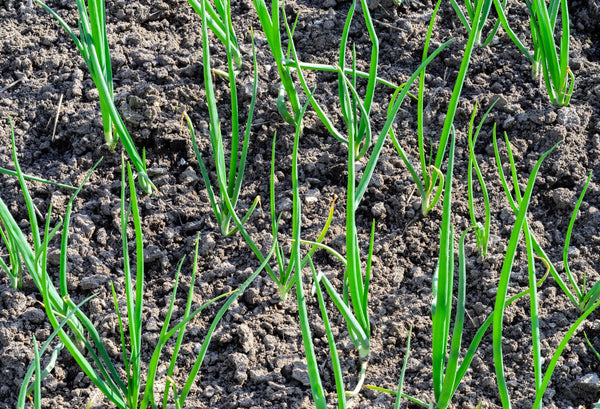
  • Start onion seeds indoors or in your greenhouse 8-10 weeks before your last average frost date.
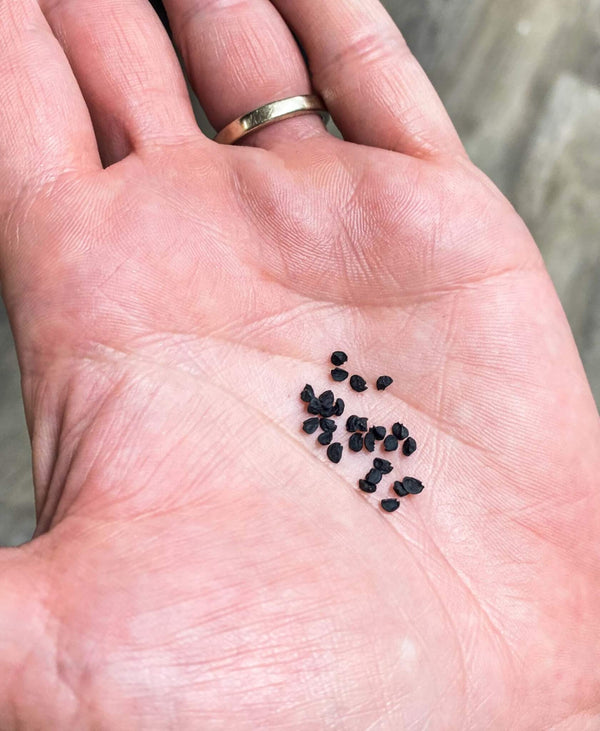
  • Because onion seeds are so small, we recommend starting in seed trays to help the delicate seedlings stay free from weeds and regulate temperature fluctuations.
  •  Beginning in seed trays will give you a head start on the growing season. Instead of having to wait for weather conditions to even out, your onion plants will have already germinated and established a root system and are ready to go into the ground immediately.
  • Fertilize with a water-soluble fertilizer such as 20-20-20 after emergence every 7-10 days.
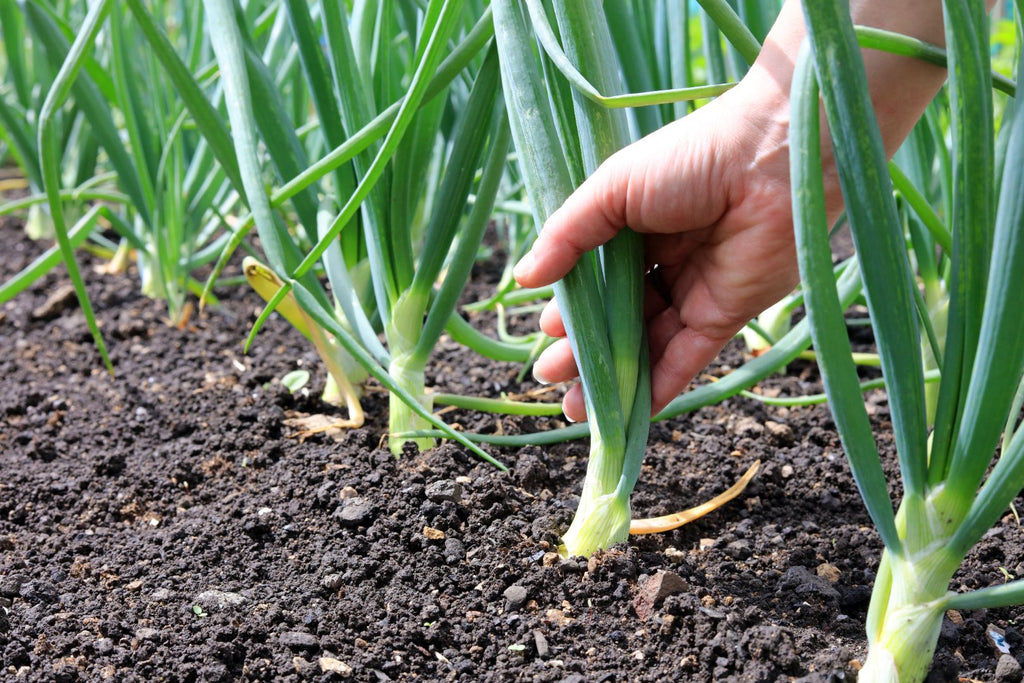
  • When onion tops reach about 6 inches tall, cut back to 3 inches with a sharp pair of scissors. This will help bulbs get bigger.

Seed Start Supply List

Indoor Growing

  • 338 Seed Tray
  • Heavy Duty Bottom Tray
  • Hanging Light Kit
  • Sungro Seed Starting Mix
  • Dramm Watering Can
  • Dr. Joe Nutri Bubble
  • Dr. Joe Growing Bubble

Outdoor Growing

  • 338 Seed Tray
  • Fogg-It Mist Nozzle
  • Sungro Seed Starting Mix
  • 100 or 150 Watt Germination Mat
  • Germination Thermostat
  • Hoss Premium 20-20-20 Fertilizer

Planting Your Onion Seeds

  1. Fill each cell in the trays completely with seed starting mix. Use your hands to pack the mix into each cell, saving some for covering the seeds later.
  2. Place starting tray on bottom tray and lightly water from above to generously moisten seed starting mix. Repeat 3-4 times to ensure all of the soil in the cells are moist. Water should be dripping from the bottom of the trays.
  3. Make an indentation in the center of each cell using your hands or a pencil. The indentation should be twice as deep as the diameter of the onion seed.
  4. Place one seed per indentation and lightly cover with the remaining seed starting mix or perlite. Be careful not to add too much mix over the tops of the cells, as it can delay germination.
  5. Whether you are starting indoors or outdoors, the optimal temperature for onion germination is around 75°F, so regularly check temperatures and adjust as needed. Be sure that your onions are placed in an area with full sun or be sure that your grow light is directly above the tray, almost touching them. Move the lights up as the seedlings grow.
  6. Fertilize your onion seeds once a week using the designated fertilizer in the supply list above.
  7. Water your onion seeds 2-3 times a day. Onions are heavy feeders and greatly rely on proper irrigation to properly form.
  8. Once the seedlings are roughly the diameter of a pencil, it will be time to transplant.

Get Onion Seeds For Every Zone!

Onion Seeds Tips & Tricks

Stress The Plant

At 3 1/2″ – 4″, trim the tops of the onion seedlings about once a week. This will help to stress the plant and develop a strong root system to support the plant in the bulbing stage. 

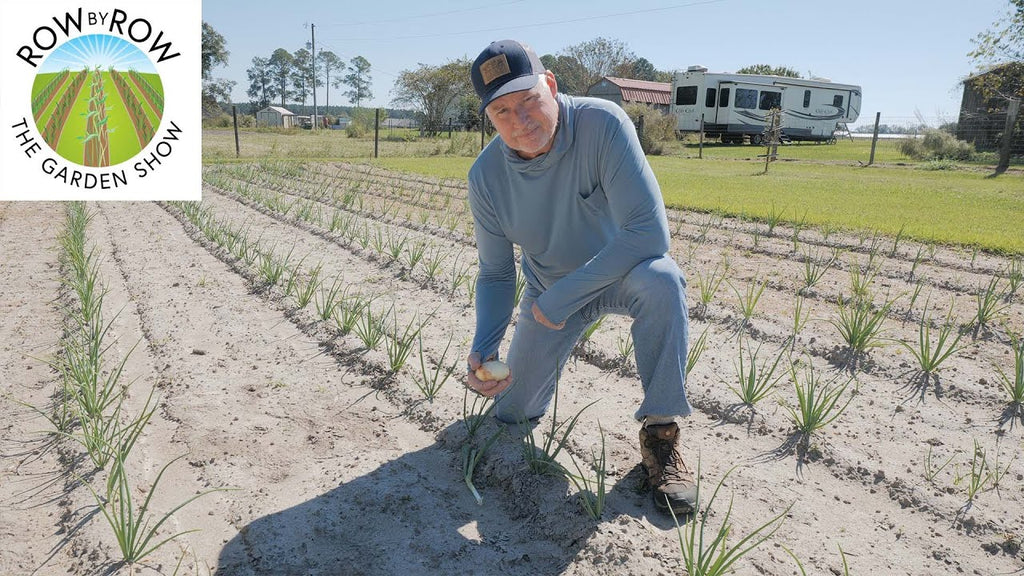
HOW TO GROW ONIONS IN THE FALL

Zinnia Growing Guide

Zinnia Growing Guide

Zinnias are the ultimate "cut-and-come-again" flower, making them a staple for any serious cutting garden or pollinator-focused landscape. These heat-loving annuals are remarkably easy to grow, offering an explosion of color from early summer until the first frost. By mastering a few simple techniques—like the "pinch" for more blooms and a strict fertility schedule—you can keep your zinnias productive and disease-free all season long.

Read more
Sunflowers Growing Guide

Sunflowers Growing Guide

Sunflowers are the iconic heart of the summer garden. Whether growing professional cut flowers or towering giants, these hardy plants provide instant vertical interest and a feast for pollinators. Success depends on choosing the right variety and managing their heavy nutrient needs. This guide covers the HOSS way to grow sturdy, vibrant sunflowers from seed to bloom, ensuring your garden shines all season long.

Read more
Winter Squash Growing Guide

Winter Squash Growing Guide

A lot of people have the misconception that winter squash is different from summer squash because they are grown in the winter and summer squash is grown in the summer. However, this is not the case. Both types are grown in the same season...
Read more